Therapeutic residential care

Safe, nurturing homes where young people feel seen, understood, and able to grow

Arnfield Care operates three Outstanding-rated therapeutic residential homes for young people aged 11–17. Our approach is rooted in trauma-informed, relationship-based care — grounded in the belief that safety and connection are the foundations of any meaningful change.

3 homes

Ages 11–17

Ofsted Outstanding

High Peak, Derbyshire

Our approach

Connection before correction. Curiosity before consequence.

Every young person we support is first and foremost a developing human being — not a behaviour to be managed or a set of risks to be reduced. Our role is to create an environment in which young people can feel safe enough, seen enough, and understood enough to begin to make sense of themselves and their experiences.

We understand behaviour as communication. Our approach is to remain curious about what behaviour is signalling, rather than defaulting to immediate correction or control. Relationships are the primary vehicle for change — safety, connection, and emotional attunement create the conditions in which young people can grow.

Relationships are the primary vehicle for change. Safety, connection, and emotional attunement create the conditions in which young people can grow.

“We also hold a firm respect for the validity of young people’s perspectives, even when those perspectives are shaped by adverse experiences, distress or impulsivity. Adolescence is not a lesser version of adulthood — it is a distinct developmental stage characterised by heightened emotional intensity, evolving cognitive control and an ongoing process of identity formation.”

Beth Duckett

Clinical Lead

Our approach

Our practice is grounded in

  • Trauma-informed care
  • PACE-informed practice (Playfulness, Acceptance, Curiosity, Empathy)
  • Relational practice
  • Attachment-aware care
  • Co-regulation
  • Secure base
  • Mentalisation-informed approaches
  • High nurture, high structure
  • Unconditional positive regard
  • Repair after rupture
  • Developmentally informed
  • Collaborative care
  • Psychological safety

What sets us apart

The hallmarks of our outstanding care

Outstanding therapeutic care is not a single thing — it is a culture, a set of values, and a daily commitment lived out in every interaction.

Safety, trust & emotional warmth

Young people feel physically and emotionally safe at all times. Staff are calm, predictable, and emotionally available. Boundaries are clear but delivered with empathy, not control. There is a genuine sense of home, not institution.

Highly skilled, consistent staff

Staff understand developmental trauma, attachment, and behaviour as communication. Low turnover ensures stable relationships. Adults model emotional regulation, conflict resolution, and healthy relationships.

Strong, individualised care planning

Each young person has a personalised plan that is actually lived, not just written. Goals are co-created with the child and regularly reviewed. Young people’s voices shape decisions about their daily life.

A therapeutic, trauma-informed environment

The home’s routines, language, and responses are grounded in research. Behaviour is understood through the lens of unmet needs. Therapeutic thinking is integrated into daily life — not confined to formal sessions.

A warm, homely environment

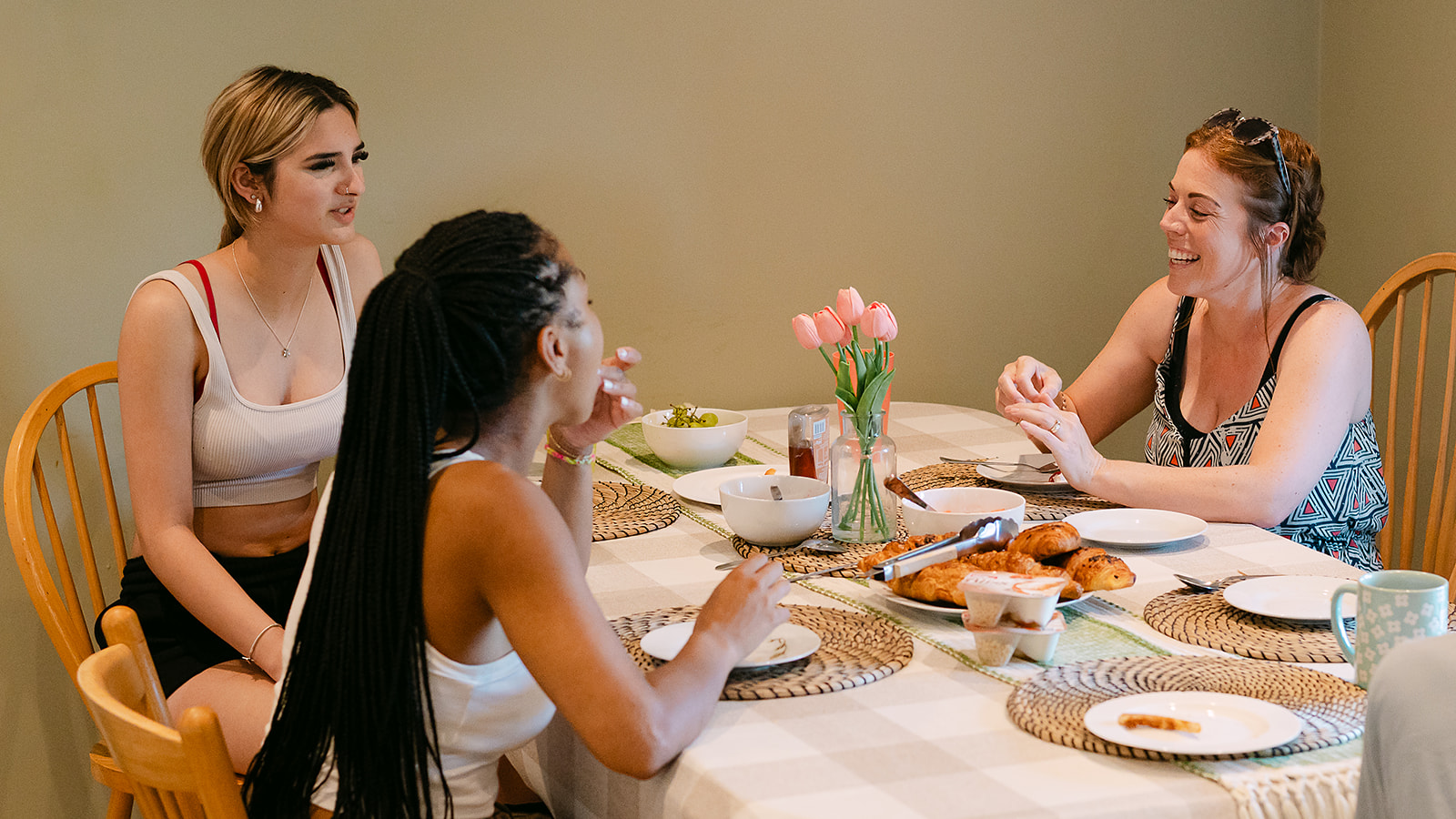
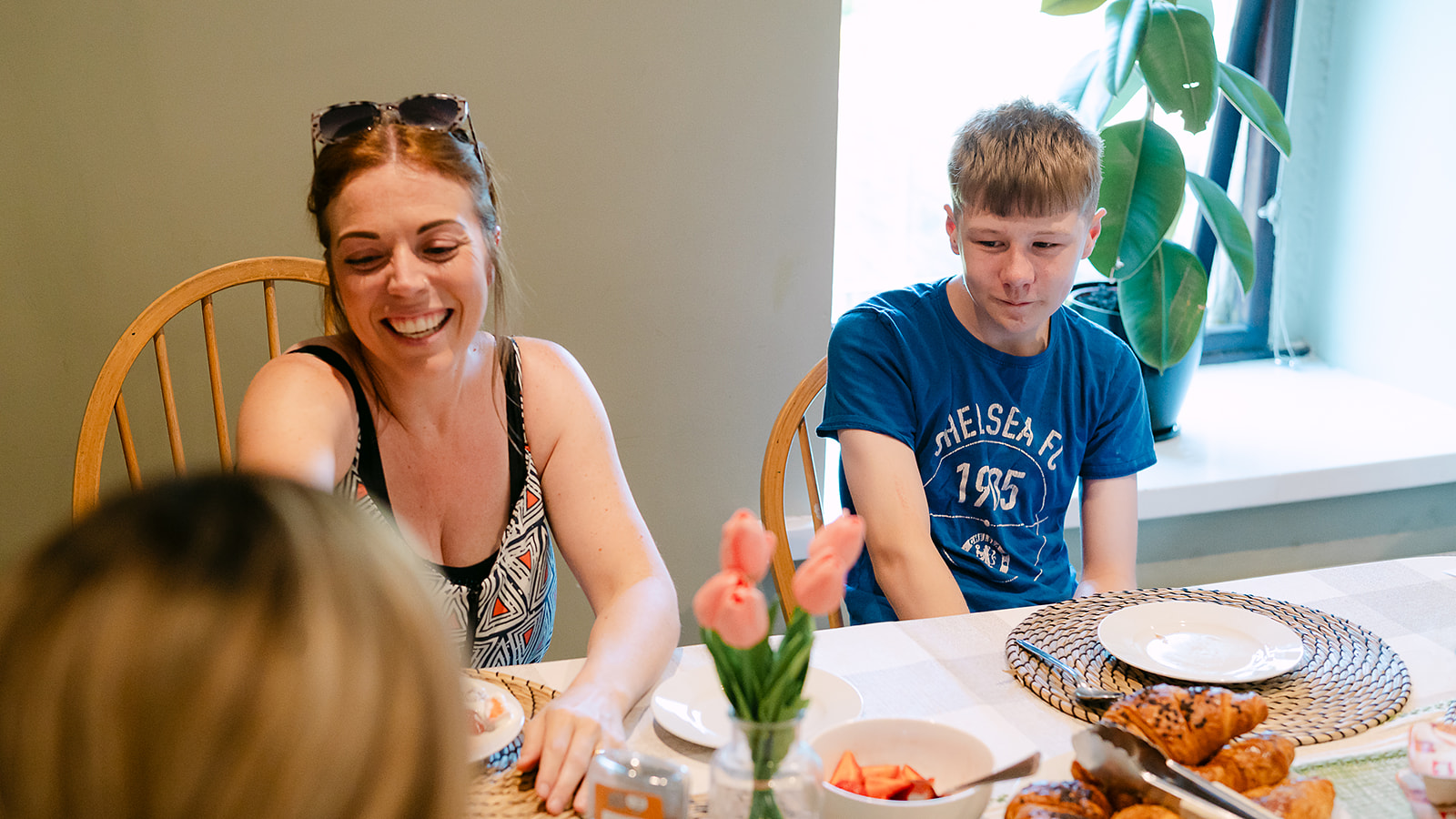
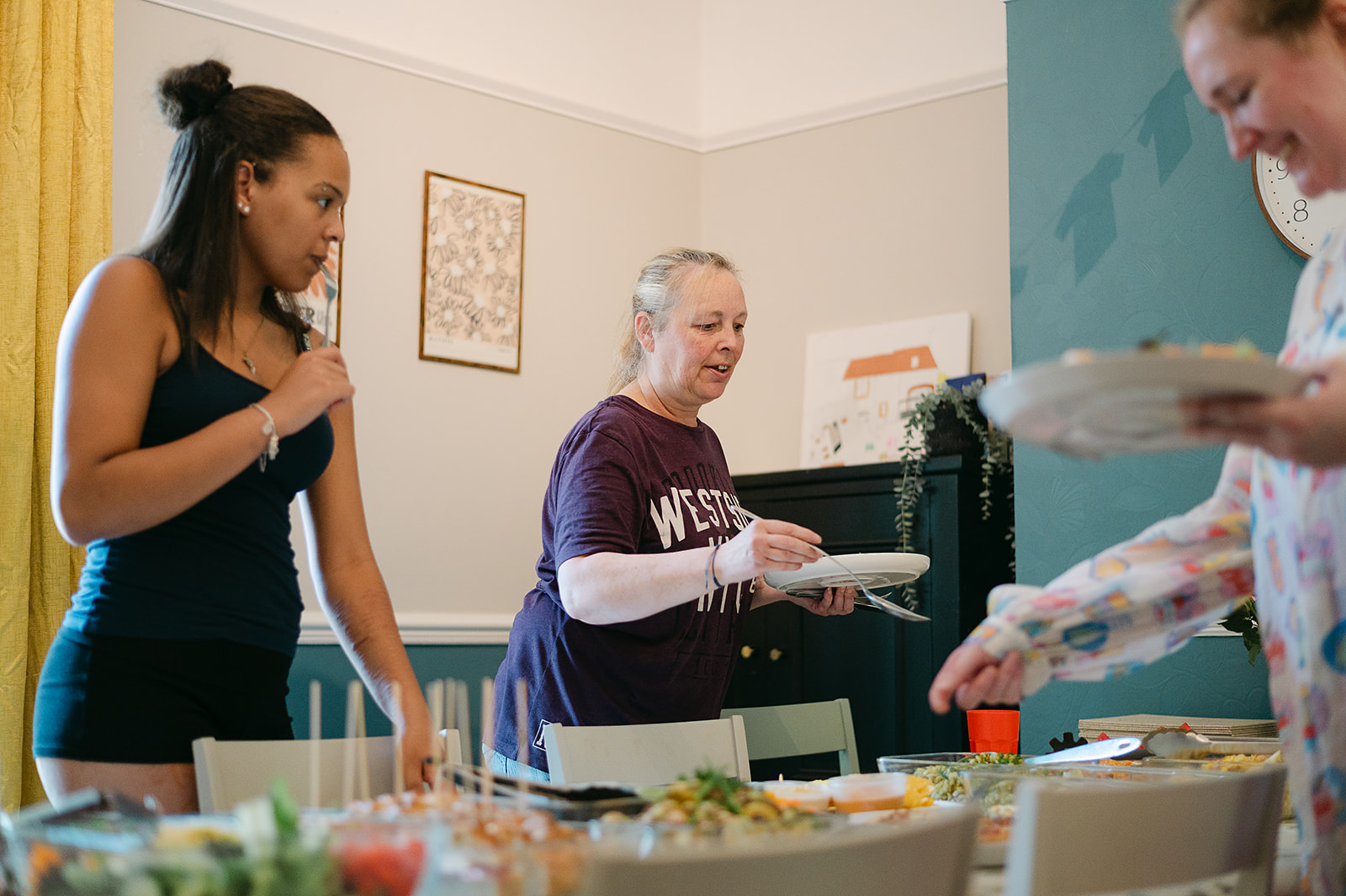
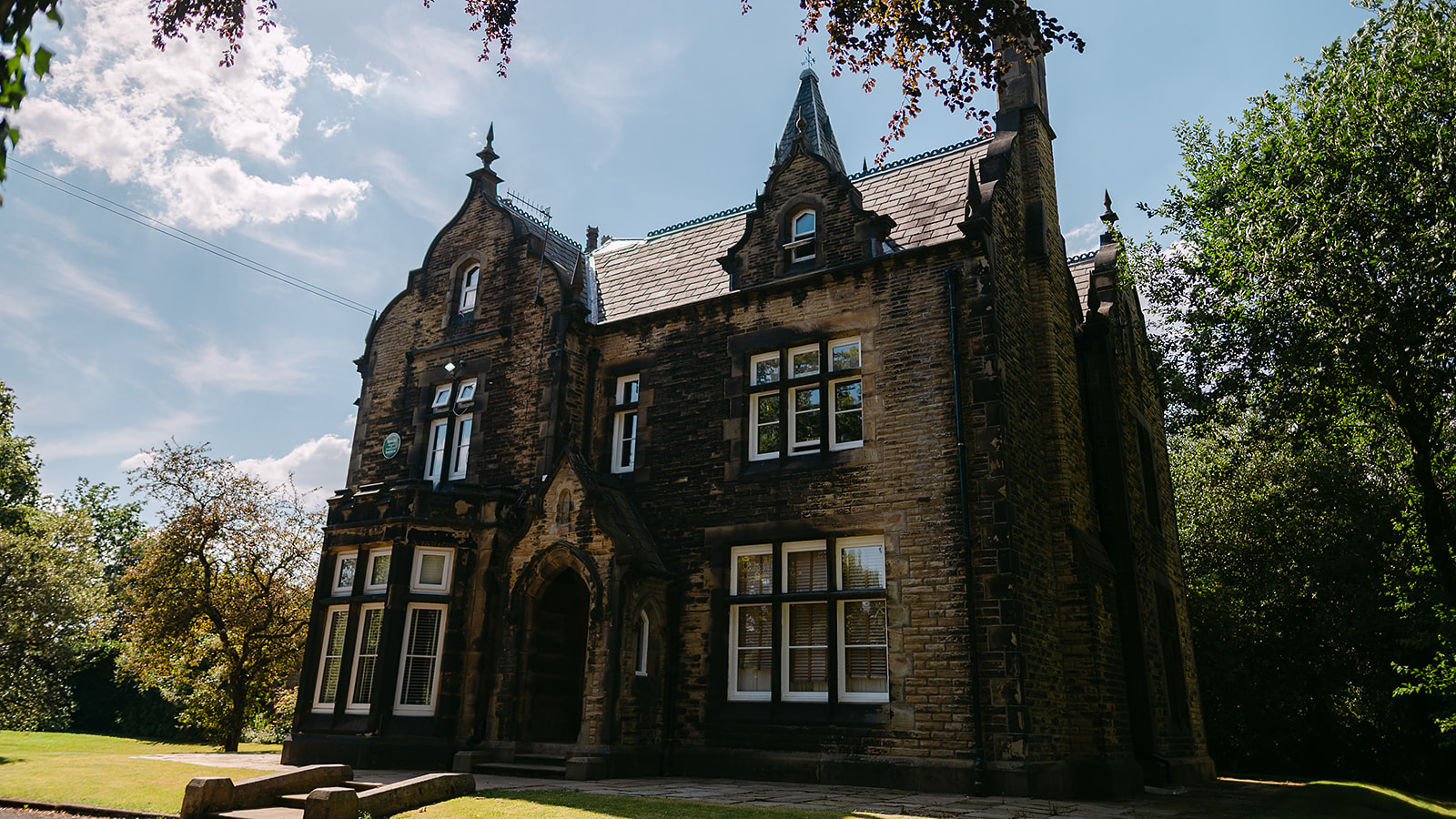
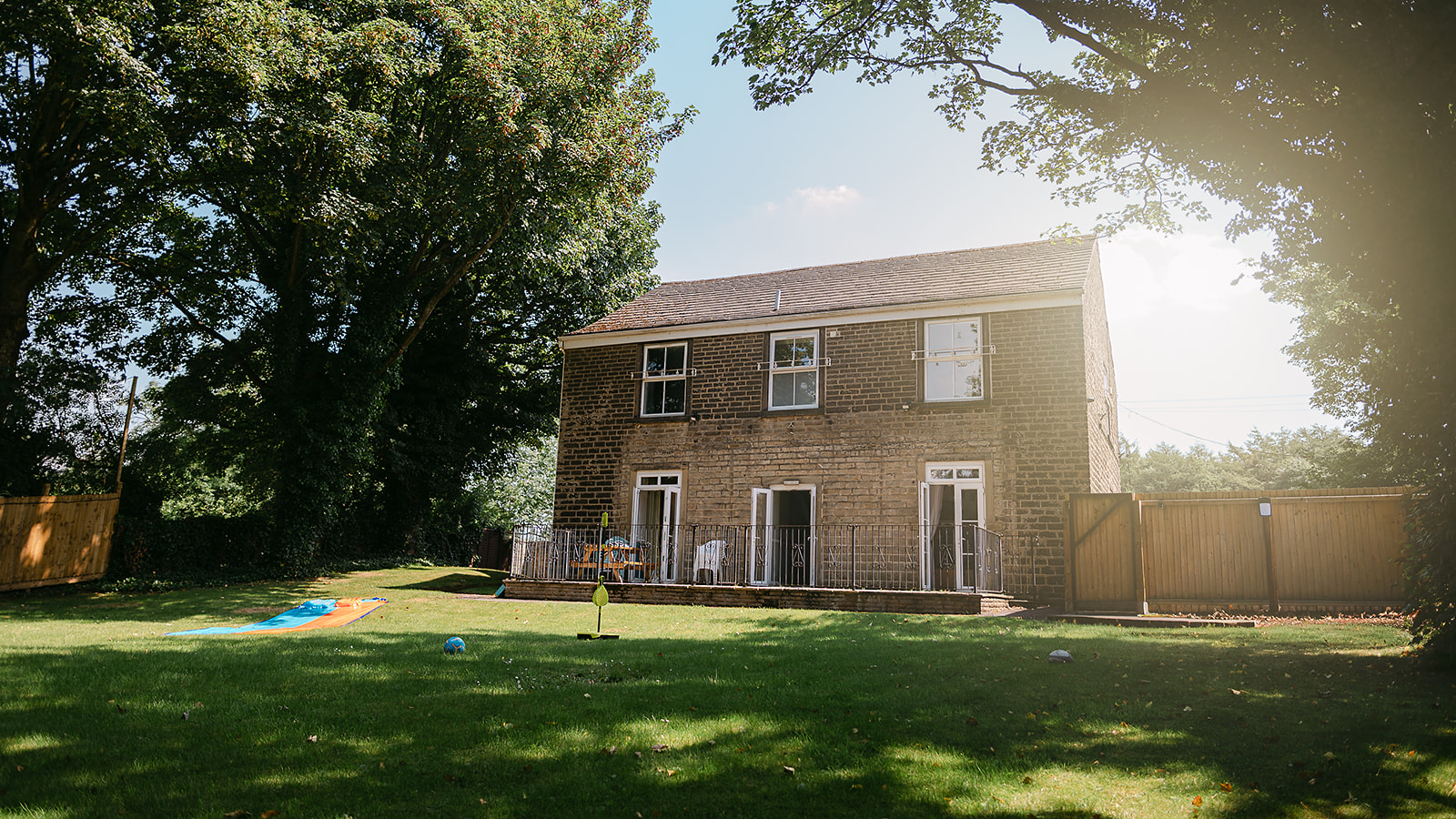
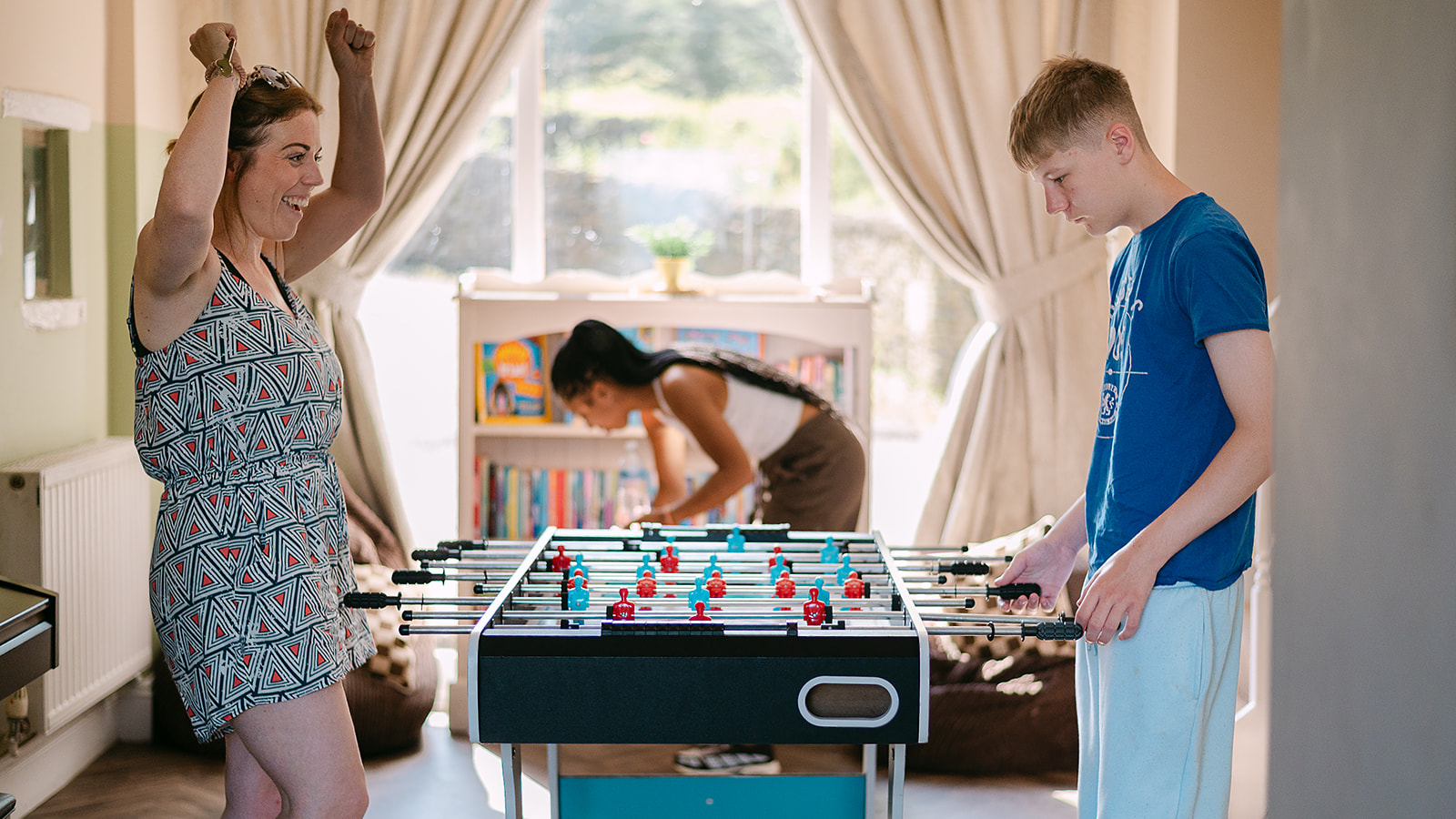
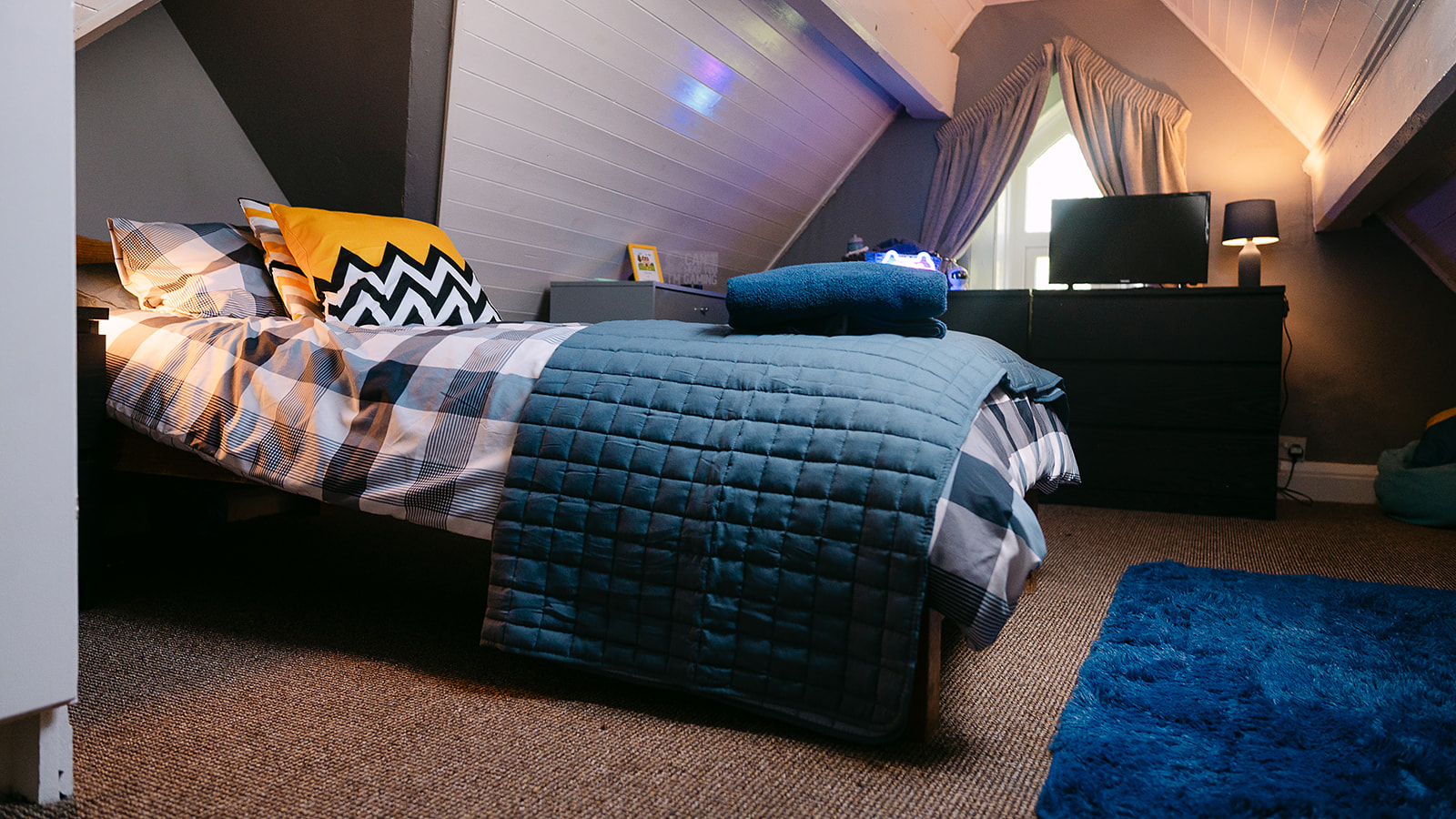
The home looks and feels like a family home, not a facility. Young people personalise their rooms and shared spaces. Mealtimes, celebrations, and routines feel normal and relational. There is pride in the environment — clean, safe, and welcoming.

Education, aspirations and life skills

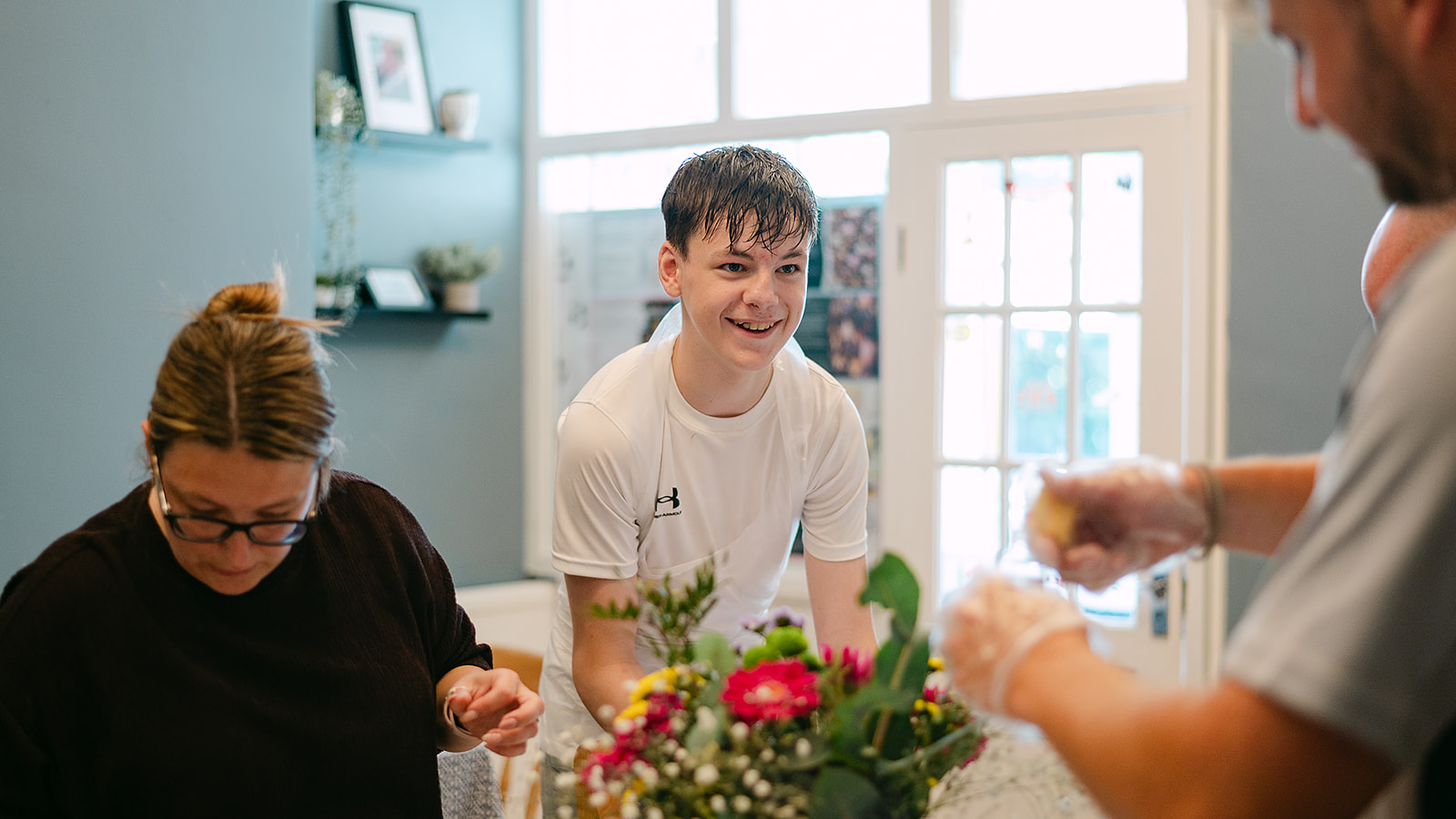
Staff champion education and celebrate achievements. Young people are supported to attend school, tutoring, or alternative provision. Life skills — cooking, budgeting, self-care, social confidence — are taught naturally and consistently. Opportunities for hobbies, sports, and enrichment are prioritised.

Meaningful relationships and community integration

Young people maintain and build healthy relationships with family, friends, and trusted adults. The home is part of the local community — clubs, activities, volunteering. Staff help young people develop social confidence and a sense of belonging.

Excellent communication and multi-agency collaboration

Staff work seamlessly with social workers, schools, therapists, and health services. Information is shared appropriately and promptly. Everyone around the child is aligned and working toward the same goals. Professionals consistently praise strong communication, reliability, and collaborative working.

A focus on long-term outcomes

The home prepares young people for independence, adulthood, and emotional resilience. Staff think beyond daily management to long-term healing and growth. We do not place great emphasis on behaviour charts — we believe meaningful change is best understood and supported through relationships, emotional safety, and reflective, trauma-informed practice.

Specialist therapeutic support

Connection before correction. Curiosity before consequence.

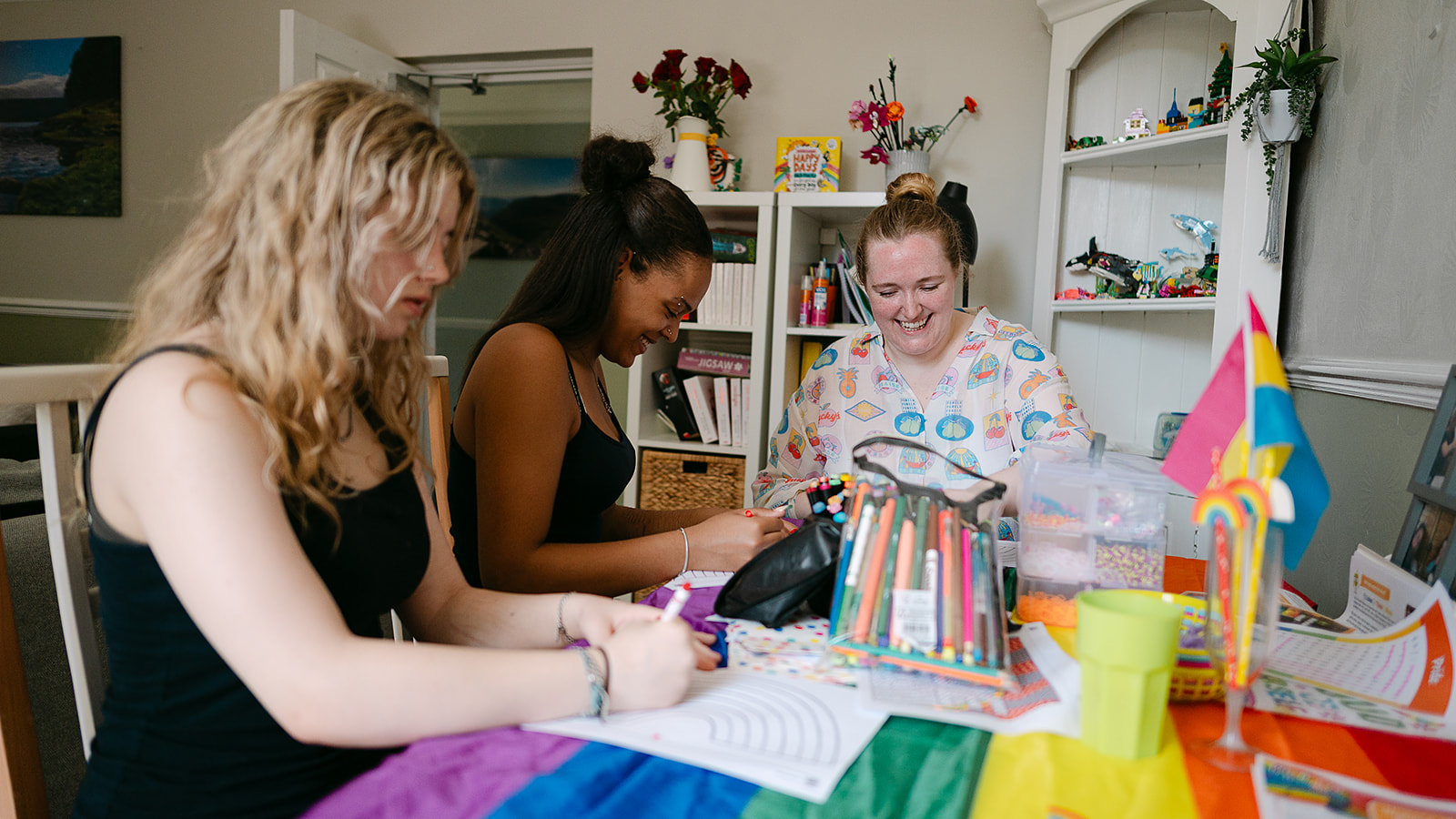
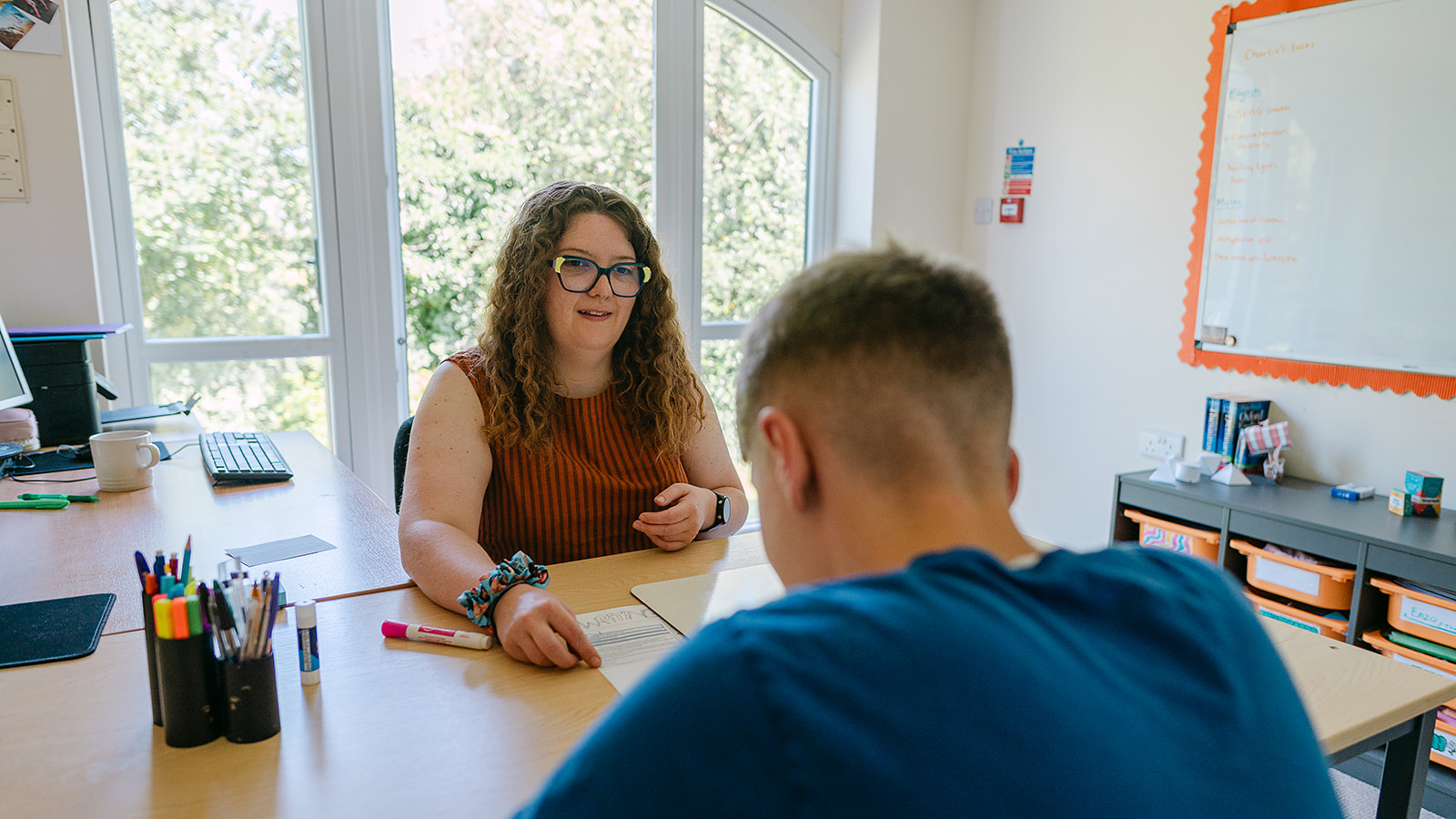
Art psychotherapy offers young people a non-verbal and symbolic way of exploring thoughts, feelings, and experiences that may be difficult to articulate directly — particularly where verbal expression feels unsafe, overwhelming, or developmentally inaccessible.

The art object becomes a vehicle for communication and self-expression — a shared and tangible focus through which internal experiences can be externalised and safely explored. Therapy at Arnfield is always a space for safety, consistency, and relational trust — a secure base from which emotional engagement and meaning-making can gradually emerge when the young person is ready.

Referrals & placements

Connection before correction. Curiosity before consequence.

Our Placement Support Manager works closely with placing authorities, social workers, previous and future care providers, education and health professionals, therapists, and family members from the very start. The matching process is thorough — reviewing individual needs, life experiences, current risk, and future care planning — to ensure every young person is placed in the most appropriate setting.

The current young people in our homes are also at the centre of this process — their needs, vulnerabilities, and existing relationships are always considered. A well-matched placement helps young people feel safe and secure, build trusting relationships, develop resilience, and achieve positive life opportunities.

Independently verified

What Ofsted says about Arnfield

“Children make sustained and meaningful progress during their time here. Overall, the home is led with skill, integrity and unwavering commitment.”

Ofsted · Arnfield Tower

2026

Lorem ipsum dolor sit amet, consectetur adipiscing elit. Pellentesque porttitor, ex et elementum hendrerit, ex dolor rhoncus mauris, non malesuada justo massa non libero. Pellentesque rutrum at erat ut faucibus. Sed semper mattis faucibus. Proin tellus mi, auctor efficitur maximus eget, tristique vel augue.

Ofsted · Arnfield Tower

2026

CASE STUDY

C — re-engagement, qualifications, and a reconnection with family

Through therapeutic support, C began to see that adults and the world can be safe and caring.

For local authorities & social workers

Ready to discuss a placement or make a referral?

Referral enquiries are assessed promptly by our Placement Support Manager. We’re always happy to talk through a young person’s needs informally before any formal process begins.